
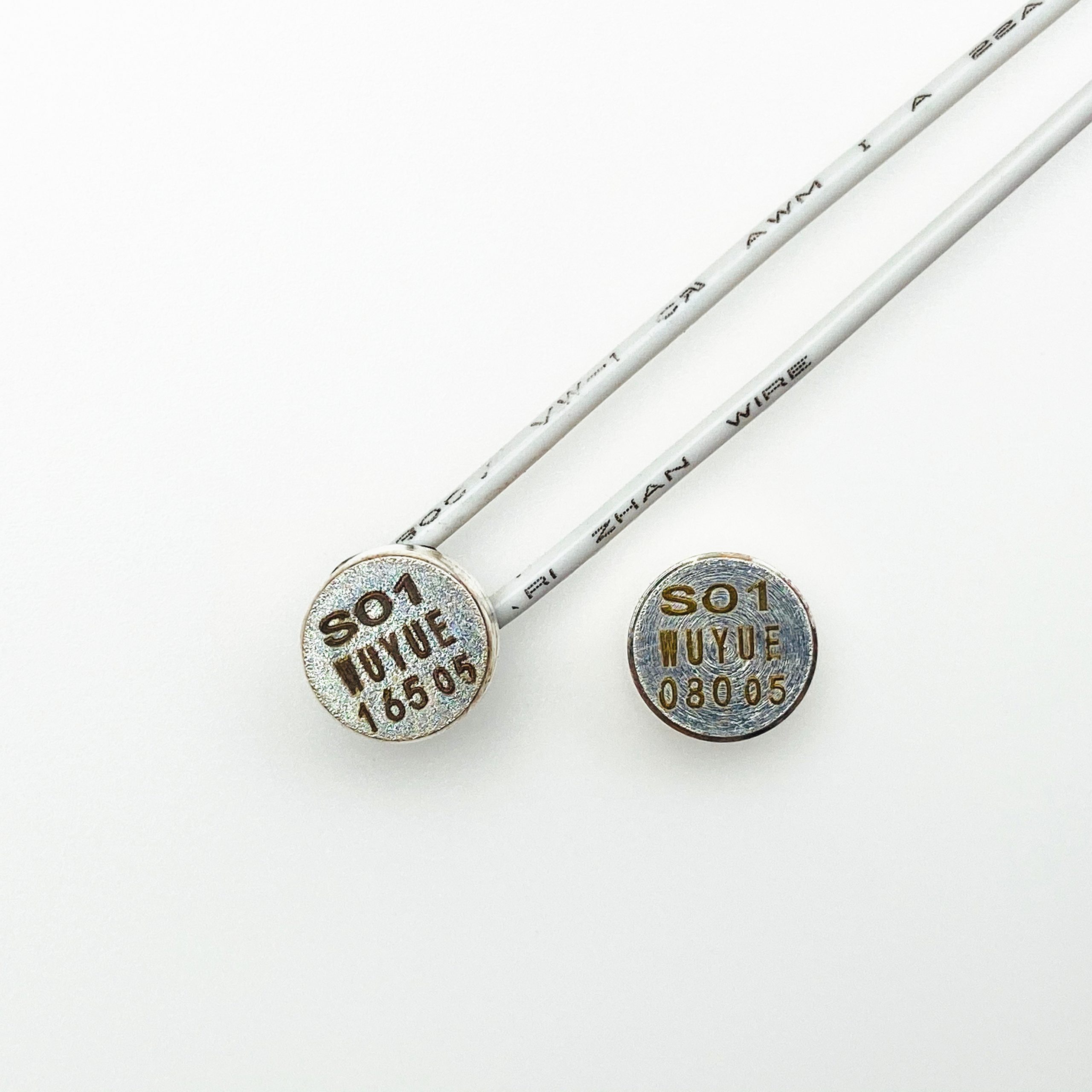

A thermal protector for lighting, also known as a thermal fuse or thermal cutoff, is a specific type of thermal protection device used in lighting fixtures. It serves the purpose of preventing excessive heat buildup within the lighting system, which can lead to component failure, fire hazards, or damage to the surrounding area.
The thermal protector for lighting works in a similar way to other thermal protectors. It consists of a small housing containing a temperature-sensitive fuse element. When the temperature of the lighting fixture exceeds a certain threshold, the fuse element rapidly heats up and triggers a mechanical action that interrupts the electrical circuit, cutting off the power supply to the lighting fixture.
Here are a few key points to consider regarding thermal protectors for lighting:
When selecting a thermal protector for lighting, it is important to consider factors such as the maximum operating temperature of the lighting fixture, the required response time for protection, and any specific industry standards or regulations that need to be met. Consulting the specifications and guidelines provided by the manufacturer is essential to ensure proper selection and installation of the thermal protector.
| Special Features |
* Small size and easy for mounting;
* Low current sensitivity, no large temperature difference due to over current;
* Precise temperature control.
| Electrical Specifications |
250V AC : 3A
125V AC : 6A
24V DC: 6A
Contact Resistance: <30mΩ
Dielectric Strength: 2KV
| Temperature Range And Tolerance |
| Operating Temperature | 60~220℃, A specification for each 5℃ |
| Operating Temperature Tolerance | ±5℃ |
| Reset Temperature | Less than 1/3 of operating temperature |
| Reset Temperature Tolerance | ±15℃ |
| Application |
Transformer
Coil
Curtain Motor
Washing Machine Motor
| Certification |
CQC:17002172427
UL&CUL:E309992
TUV:R 50383352 0001
VDE:40048046
| Dimensional Drawing |

| Series Application |

| FAQ |
1. Why does the smaller size thermal protector have higher price?
Customers like to ask the question:” Why does the smaller size thermal protector have higher price?” It sounds that it does not make sense. In fact, there are some reasons:
1. For the small size thermal protector, all parts have to be more precise. It means that we need to use better manufacturing machineries. The equipment cost would be higher.
2. The yield rate of smaller size thermal protector is lower than common size. So, the final cost would be higher.
3. The material of small size thermal protector is different also. The material has to be more reliable. Accordingly, the price of raw material is higher.
4. For the small size thermal protector, we have to use different machineries and manufacturing process. Both the manufacturing cost and labor cost are much higher than common size.
Due to the above reasons, the final cost of smaller size thermal protector is higher than common size.
2. What’s the lowest action temperature of your bimetal thermostat?
The lowest action temperature of our bimetal thermostat is 0C. It is creep action type and the relevant model number is 17AME-H. The contact making type can be normally closed or normally open. The main function of this thermostat is to remain the temperature inside of a narrow range. For example, OFF at 5C, ON at 3C or 4C. It is widely used to temperature control device or PCB control system. The life endurance can be 100,000 cycles also. The terminal ends of this bimetal thermostat can be at the same direction or opposite direction. The insulation paper has Nomex or Nitto for your option.
The shortage of this bimetal thermostat is the current. The max working current can’t exceed 5A, normally less than 3A. Since the current is too small, we sometimes to use gilded contact to avoid contacts oxidization.
3. Why is the thermal switch with lower temperature but higher price?
There are three reasons for thermal switch with lower temperature but higher price:
1. Thermal switches with lower temperature have to use some special materials, like bimetal strip and contacts. These materials have higher cost and better quality level;
2. In the process of manufacturing, both production and testing equipment for lower temperature thermal switches are different. The equipment cost of low temperature is higher than common temperature ratings.
3. The production yield of low temperature thermal switches is lower than standard temperature rating also. It would make the final cost is much higher.

Contact Information
Company Name: Yangzhou Wuyue Electric Co.,Ltd
Address:Building D, Software Information Industrial Park, No.2 Huaijiang Avenue, Baoying County, Jiangsu Province, China
Contact: Lorena Qiao
Mobile: +86 153 6641 6606 / 189 2191 2633
Tel: +86 514 88986588
Fax:+86 514 8898 6599
http://https://wuyuecn.en.alibaba.com
Email: sales01@wuyuetech.com